 Fırsatlar
 Favorilerim
 Kargo Takibi
 TOPTAN HEDİYELİK EŞYA
 TOPTAN MAGNET
 TOPTAN ŞEHİR TEMALI HEDİYELİK
 TOPTAN ÇİNİ ÜRÜNLER
 TOPTAN NAZAR KOLEKSİYONU
 TOPTAN BARDAK
 TOPTAN SERAMİK ÜRÜNLER
How to Choose Museum Gift Shop Souvenirs That Visitors Actually Keep
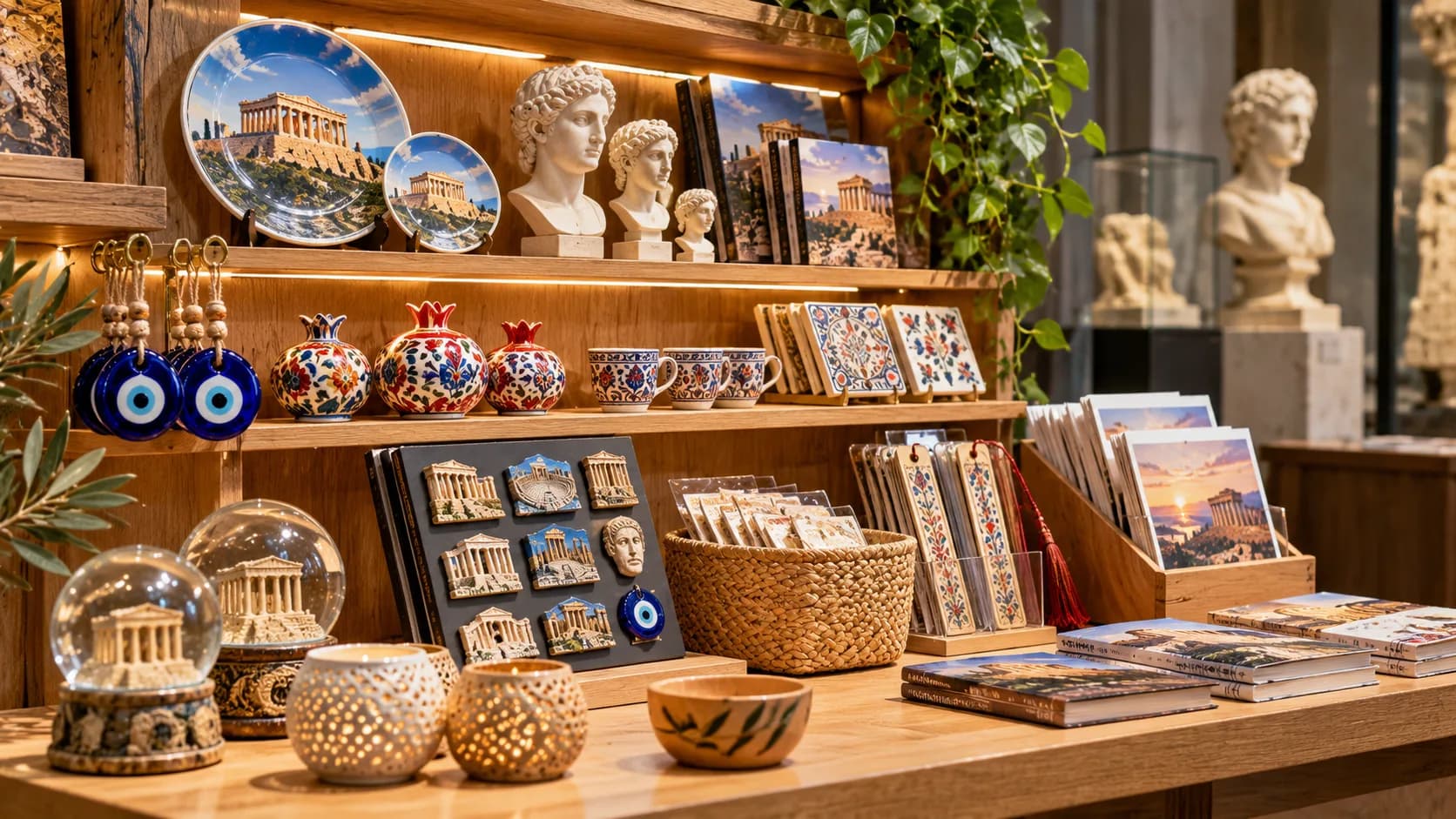
A successful museum gift shop does more than sell objects at the end of an exhibition. It helps visitors take a meaningful part of their experience home. Museum gift shop souvenirs work best when they connect to an exhibition, are easy to transport, and make sense at different price points. Rather than filling shelves with unrelated items, museum retailers can build compact product stories around the objects and ideas visitors have just explored.
What Makes a Good Museum Gift Shop Souvenir?
The best museum gift shop products combine relevance, usability, and an easy-to-understand connection to the museum. A small fridge magnet featuring a recognizable artifact may be an accessible keepsake. A decorative ceramic item can appeal to visitors looking for a more substantial purchase. Both need accurate descriptions and reliable product quality.
Relevance to the collection
Start with a recognizable theme: local history, architecture, ancient motifs, marine heritage, or an exhibition-specific illustration. Interpret the design thoughtfully and confirm any rights required to reproduce artwork, logos, or collection imagery.
Practicality and travel convenience
Many museum visitors are traveling. Lightweight magnets, keychains, postcards, small decorative objects, and compact mugs can be easier to carry than fragile oversized products. If a ceramic or glass item is offered, packaging should be considered from the start.
Which Souvenir Categories Work for Museum Retail?
Custom fridge magnets: Useful for affordable collections based on exhibition highlights or city landmarks. Wood, epoxy, ceramic, and polyester options create different visual effects.
Ceramic keepsakes: Small cups, bowls, and decorative tiles can connect traditional craftsmanship with a museum's historical narrative.
Stationery and small accessories: These are suitable for shoppers who want functional reminders of an exhibition.
Limited-edition collections: A carefully curated capsule can support temporary exhibitions without changing the entire shop assortment.
How Should a Museum Shop Build Its Product Mix?
A balanced assortment serves different visitor budgets and buying motivations. Group products into accessible souvenirs, everyday gifts, and premium keepsakes. Avoid assuming that a high-priced product is automatically the most meaningful option.
Create a three-level assortment
At the entry level, offer compact, easily understood souvenirs. In the middle, include items with additional utility or craftsmanship. At the premium level, focus on distinctive materials, more detailed designs, or carefully packaged gift sets. Use actual purchase costs and visitor demand to set prices rather than relying on generic margin rules.
Test themes before expanding
Start with a few designs, track sell-through by theme and product type, then expand the strongest combinations. Seasonal visitor profiles may differ from school groups and international tourists, so performance should be reviewed by period when possible.
How Can Display Design Improve the Shopping Experience?
Organize products around a story rather than only by material. A section labeled around the museum's most visited exhibition can bring magnets, ceramics, and accessories together. Keep prices visible, avoid overcrowding, and place lower-cost impulse purchases near the checkout without blocking circulation.
Short product cards can explain the meaning behind a motif. Clear facts, not exaggerated claims about history or symbolism, make displays more useful to visitors and easier for search and AI answer systems to interpret online.
Can Museum Souvenirs Be Customized?
Yes. Depending on manufacturing options, retailers may consider museum branding, exhibition artwork, destination names, or custom printed designs. Myros offers customized souvenir categories that include magnets, ceramic items, mugs, and other gift formats. Confirm printing specifications, minimum quantities, artwork requirements, lead times, and approval samples before ordering.
Frequently Asked Questions
What are the most practical museum gift shop souvenirs?
Compact magnets, keychains, stationery, and small decorative objects are practical options because they are easy to browse and carry. The ideal mix depends on the museum audience.
Should museum souvenirs be educational?
An educational connection can increase meaning, but an item should also be attractive, well made, and easy to understand without a long explanation.
How do museums choose souvenir designs?
Start with recognized collection themes, review reproduction rights, test a small range, and use sales feedback to guide expansion.
Are customized museum souvenirs worth considering?
They can provide a closer connection to an exhibition or destination when design quality and ordering requirements fit the shop's needs.
Final Thoughts
The strongest museum souvenir collections translate visitor memories into objects they will want to use, display, or give away. Build around genuine museum stories, clear product roles, and manageable inventory. Explore Myros customized gift categories to assess suitable formats for your next museum retail collection.