 EN − TL

 Offers
  My Favorites
  Cargo Tracking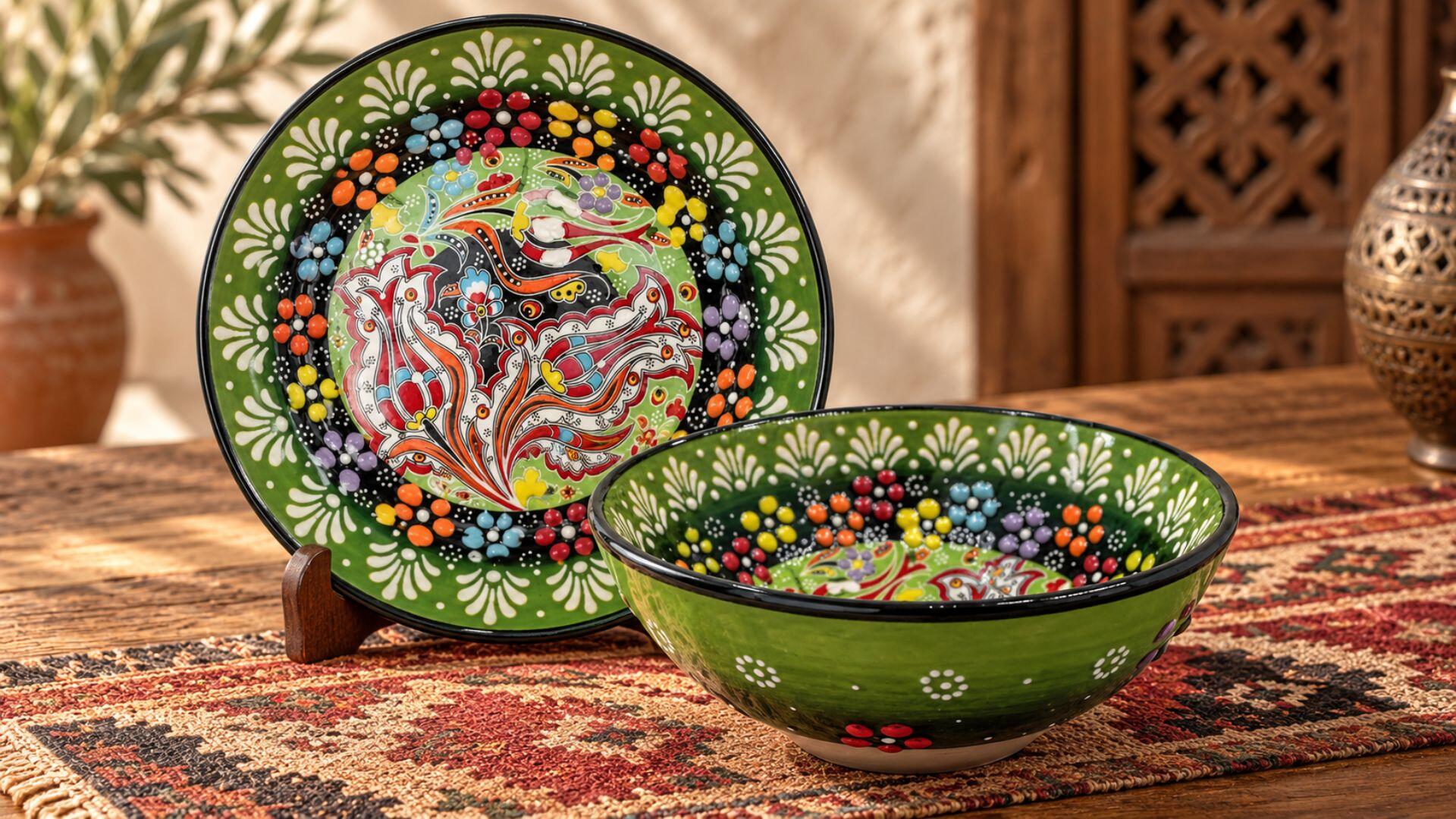
What Is Turkish Tile Art?
What Is Turkish Tile Art?
Features and Characteristics of Çini Art
For centuries, Turkish tile art, also known as çini art, has decorated Anatolian architecture and reflected the rich tradition of Turkish decorative arts. From mosques and palaces to fountains and wall panels, traditional Turkish tiles have played an important role in architectural decoration.
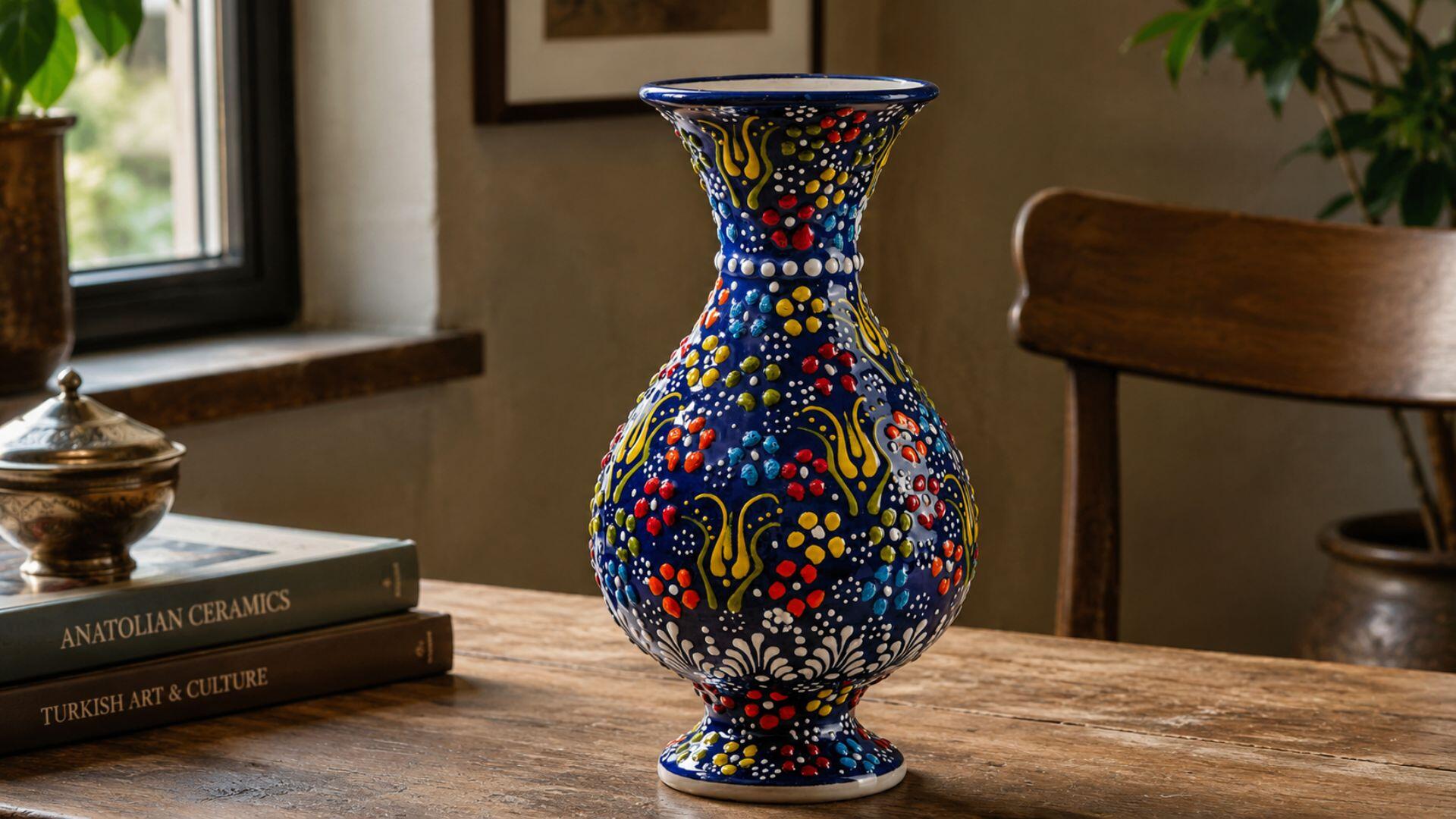
Today, çini products are also used in everyday life through decorative plates, vases, bowls, cups, wall ornaments, and various gift items.
So, what is Turkish tile art, how is çini made, and what are the main features of traditional Turkish tile art? In this guide, we explore the history, techniques, motifs, colors, and different types of Turkish tiles.
What Is Çini?
Çini refers to a traditional form of glazed ceramic art created by shaping clay-based materials, firing them, decorating the surface with different colors and patterns, applying glaze, and firing the piece again.
Çini belongs to the broader ceramic tradition. However, its distinctive decoration techniques, motifs, glazing methods, and historical background give it a unique identity.
One of the most recognizable characteristics of çini is its glossy glazed surface. Beneath this layer are decorative motifs and vivid colors. Floral patterns, geometric shapes, and stylized symbols are among the most common visual elements used in traditional Turkish tile art.
Traditional craftsmanship of çini making was added to UNESCO’s Representative List of the Intangible Cultural Heritage of Humanity in 2016.
What Is Turkish Tile Art?
Turkish tile art is a traditional craft based on shaping ceramic or clay-based surfaces, decorating them with motifs, coloring them, glazing them, and firing them in a kiln.
However, Turkish tile making is much more than a production technique.
It is a traditional form of craftsmanship that requires expertise at every stage, from preparing patterns and drawing outlines to applying colors and firing the finished piece.
The history of Turkish tile art in Anatolia dates back centuries. It became especially important during the Seljuk and Ottoman periods, when tiles were widely used in architectural decoration.
Mosques, madrasas, palaces, tombs, baths, and other important buildings were frequently decorated with traditional tiles.
History of Turkish Tile Art
The history of Turkish tile art is deeply connected with Anatolian culture and architecture.
Decorative traditions developed by Turkish societies in earlier periods were combined with new techniques and motifs after their arrival in Anatolia.
During the Anatolian Seljuk period, tile art became an important element of architectural decoration. Various techniques were used, including glazed brick, mosaic tile, relief decoration, lusterware, and minai.
During the Ottoman period, tile production entered a new phase, especially with the widespread use of underglaze decoration.
The 16th and 17th centuries are generally considered one of the most significant periods for Iznik tile art.
During this time, highly distinctive examples were produced in terms of color, pattern, and craftsmanship.
Iznik tiles were used in mosques, palaces, madrasas, baths, and various architectural structures.
Kutahya, on the other hand, has remained one of the most important centers of traditional tile production in Turkey for centuries.
Today, both Iznik and Kutahya continue to represent important traditions within Turkish ceramic and tile art.
What Are the Main Features of Turkish Tile Art?
The features of Turkish tile art can be examined through its materials, colors, motifs, production techniques, and craftsmanship.
It Is Based on Handcraftsmanship
In traditional tile production, many processes are completed by hand.
Patterns are transferred manually, outlines are drawn using fine brushes, and colors are carefully applied to the surface.
For this reason, even when the same pattern is repeated, small differences may appear between handmade pieces.
These differences are considered part of the authentic character of traditional çini art.
It Has a Glazed Surface
One of the most distinctive features of Turkish tiles is the glazed surface.
After patterns and colors are applied, the piece is covered with a glaze and fired again.
This process gives the tile its shiny and characteristic appearance.
The hard and glossy glaze seen in many Iznik tiles is especially well known.
Traditional Motifs Are Commonly Used
Turkish tile motifs are one of the most recognizable elements of çini art.
Flowers, leaves, branches, geometric shapes, stylized plants, and various symbolic forms are frequently used.
Common traditional motifs include:
-
Tulips
-
Carnations
-
Hyacinths
-
Pomegranates
-
Leaves
-
Floral branches
-
Geometric patterns
-
Stylized plant figures
These motifs reflect the aesthetic traditions of the periods in which the pieces were produced.
Vivid Colors Are an Important Feature
The colors used in Turkish tile art may vary according to the period, region, and production technique.
Some of the most commonly associated colors include:
-
Blue
-
Turquoise
-
Green
-
Red
-
White
In particular, Iznik tiles are famous for their strong contrasts and vibrant use of blue, turquoise, green, and red on light backgrounds.
Craftsmanship and Tradition Come Together
Traditional tile making involves many stages.
These include:
-
Preparing the clay
-
Shaping
-
Drying
-
Initial firing
-
Transferring patterns
-
Drawing outlines
-
Coloring
-
Glazing
-
Final firing
In traditional workshops, different craftspeople may specialize in different stages of production.
This division of expertise has helped preserve the quality and continuity of Turkish tile craftsmanship.
How Are Turkish Tiles Made?
Turkish tile making is a detailed process that requires skill, patience, and careful craftsmanship.
Although techniques may vary depending on the region and workshop, the basic process usually includes several stages.
1. Preparing the Clay
The first step is preparing the ceramic or clay-based mixture.
The material is mixed until it reaches the right consistency for shaping.
2. Shaping the Piece
The prepared clay is shaped according to the intended design.
It may be formed into:
-
Tiles
-
Plates
-
Bowls
-
Vases
-
Cups
-
Decorative objects
3. Drying and First Firing
After shaping, the piece is allowed to dry.
It is then fired for the first time in a kiln.
After this stage, a hard surface is created that can be decorated.
This initial fired form is often referred to as a biscuit or bisque.
4. Transferring the Pattern
The selected decorative pattern is transferred onto the ceramic surface.
In traditional methods, designs may first be prepared on paper and then transferred using small holes and charcoal powder.
5. Drawing the Outlines
The main outlines of the design are drawn with a fine brush.
This outlining process is an important stage because it defines the boundaries of each decorative element.
6. Applying Colors
After the outlines are completed, the individual sections of the motif are filled with color.
The choice of colors varies according to the artistic style, period, and production center.
7. Glazing
The painted surface is covered with a transparent glaze.
This layer protects the decoration and gives the piece its glossy appearance after firing.
8. Final Firing
The piece is placed in the kiln again.
During this firing process, the glaze melts and permanently bonds with the surface.
After cooling, the tile reaches its final appearance.
What Motifs Are Used in Turkish Tile Art?
Turkish tile motifs are not only decorative elements.
They also reflect traditional aesthetics, nature, cultural symbolism, and artistic styles from different historical periods.
Common motifs include:
-
Tulips
-
Carnations
-
Hyacinths
-
Pomegranates
-
Leaves
-
Branches
-
Floral patterns
-
Geometric shapes
-
Stylized plant motifs
-
Stylized animal figures
Floral motifs are especially common in Ottoman tile art.
In Iznik tiles, tulips, carnations, hyacinths, and various plant designs are frequently seen.
These patterns transform a simple ceramic surface into a decorative work of art.
What Are Iznik Tiles?
Iznik tiles are one of the best-known traditions of Turkish tile art.
Tile and ceramic production developed significantly in Iznik from the 15th century onward and reached an especially important period during the 16th and 17th centuries.
Iznik tiles are typically associated with:
-
Bright white backgrounds
-
Glossy surfaces
-
Fine craftsmanship
-
Floral motifs
-
Strong blue tones
-
Turquoise
-
Green
-
Red
Traditional Iznik designs often use floral forms inspired by nature, including tulips, carnations, and hyacinths.
Historically, Iznik tiles were used not only as decorative objects but also extensively in Ottoman architecture.
What Are Kutahya Tiles?
Kutahya tiles represent another major tradition within Turkish ceramic and tile craftsmanship.
Kutahya has a long history of ceramic and tile production and has remained one of Turkey’s most important centers for handmade çini art.
The local tradition developed under the influence of different historical periods and gradually formed its own artistic identity.
Today, Kutahya continues to produce a wide variety of traditional and contemporary tile products.
These include:
-
Decorative plates
-
Bowls
-
Vases
-
Wall panels
-
Cups
-
Decorative objects
Modern Kutahya tile production often combines traditional techniques with contemporary design.
Where Is Turkish Tile Art Used?
Historically, Turkish tile art was widely used in architecture.
Traditional tiles can be found in:
-
Mosques
-
Palaces
-
Madrasas
-
Tombs
-
Turkish baths
-
Fountains
-
Pavilions
-
Interior walls
-
Exterior architectural decoration
During the Ottoman period in particular, tiles became an important decorative feature in religious and royal architecture.
Today, the use of çini has expanded.
Traditional patterns are now applied to many decorative and functional objects such as:
-
Tile plates
-
Vases
-
Bowls
-
Coffee cups
-
Wall ornaments
-
Decorative panels
-
Gift items
This allows traditional Turkish tile art to remain part of modern living spaces.
How Can Turkish Tile Products Be Used in Decoration?
Traditional çini products can add a strong decorative accent to homes, offices, hotels, restaurants, and other interiors.
For example, decorative tile plates can be displayed on walls.
Tile vases can be placed on consoles, shelves, coffee tables, or display cabinets.
Smaller ceramic pieces can be used on bookshelves or tables as decorative objects.
When combining several tile products, choosing complementary colors can create a more balanced visual appearance.
Traditional Turkish tiles can work well in classical interiors, but they can also create an interesting contrast in modern and minimalist spaces.
What Is the Difference Between Çini and Ceramic?
The difference between çini and ceramic is one of the most frequently asked questions.
Çini is technically part of the larger ceramic family.
However, traditional çini art is distinguished by its specific decoration techniques, glazing methods, motifs, historical background, and aesthetic approach.
The word ceramic refers to a much broader range of materials and products.
The term çini, on the other hand, usually refers to traditional decorated and glazed ceramic works produced according to specific artistic traditions.
Therefore, while çini may be considered a type of ceramic, not every ceramic product can be described as traditional çini.
Why Is Traditional Turkish Tile Art Important?
Traditional Turkish tile art is important because it preserves craftsmanship and artistic knowledge that has been passed from generation to generation.
Techniques related to:
-
Pattern drawing
-
Color preparation
-
Glazing
-
Kiln firing
-
Surface decoration
have traditionally been passed from masters to apprentices.
Tile motifs also reflect the artistic preferences and cultural influences of the periods in which they were produced.
The inclusion of traditional çini craftsmanship on UNESCO’s Representative List of the Intangible Cultural Heritage of Humanity in 2016 further highlights its cultural significance.
Today, Turkish tile art continues to survive through both traditional handmade works and contemporary decorative designs.
Frequently Asked Questions About Turkish Tile Art
What is Turkish tile art?
Turkish tile art, or çini, is a traditional form of glazed ceramic art in which clay-based objects are shaped, fired, decorated with motifs and colors, glazed, and fired again.
What is çini?
Çini is the Turkish name commonly used for traditional glazed ceramic tiles and decorative ceramic objects featuring distinctive patterns and colors.
Where does Turkish tile art come from?
Turkish tile art has developed across different regions of Anatolia over centuries. Iznik and Kutahya are among the most important production centers associated with traditional çini craftsmanship.
What colors are used in Turkish tile art?
Blue, turquoise, green, red, and white are among the most recognizable colors used in traditional Turkish tiles. Color palettes can vary depending on the period and production center.
What motifs are commonly used in Turkish tiles?
Tulips, carnations, hyacinths, pomegranates, leaves, floral branches, geometric patterns, and stylized natural elements are commonly used.
How are Turkish tiles made?
The process usually includes preparing and shaping the clay, drying, initial firing, transferring the design, drawing outlines, applying colors, glazing, and final firing.
What are Turkish tiles used for?
Historically, Turkish tiles were used to decorate mosques, palaces, madrasas, baths, tombs, and other buildings. Today, they are also used in plates, vases, bowls, coffee cups, wall ornaments, and decorative gifts.
Are Iznik tiles and Kutahya tiles the same?
No. Both are important traditions of Turkish tile art, but they may differ in historical development, color palettes, motifs, production techniques, and local styles.
Turkish Tile Art from Tradition to the Present Day
Turkish tile art is one of the most important traditional decorative arts to have survived from the past to the present.
Its distinctive production techniques, vibrant colors, floral and geometric motifs, and handmade character make it immediately recognizable.
Developed in important centers such as Iznik and Kutahya, Turkish tile art was once primarily used as an architectural decoration.
Today, however, it is also widely seen in decorative and functional products.
From ceramic plates and vases to wall decorations, cups, bowls, and gift items, traditional çini products continue to bring centuries-old craftsmanship into modern living spaces.
The cultural heritage behind the motifs, colors, and handmade production techniques makes Turkish tile art more than decoration.
It represents a living artistic tradition that continues to connect the past with the present.
What Is Turkish Tile Art?
Discover what Turkish tile art is, how çini tiles are made, their history, motifs, colors, techniques, and the features of Iznik and Kutahya tiles.
Çini Vazo Nasıl Dekore Edilir?
Çini vazo çeşitleri, mavi beyaz desenler, dekoratif kullanım ve hediye fikirleri hakkında bilgi edinin. Modelleri Myros'ta inceleyin.
Seramik Ürün Bakımı Nasıl Olmalı?
Seramik ürünlerin bakımında dikkat edilmesi gerekenleri öğrenin; çizilme, çatlama ve renk kaybını önleyen pratik önerileri keşfedin.
Turkish Souvenirs Most Preferred by Foreign Tourists
https://www.myros.com/ Discover the Turkish souvenirs foreign tourists love most: evil eye beads, Turkish delight, carpets, ceramics & more. Full guide inside!
Turkey’s Most Popular Tourist Souvenirs
Discover Turkey's most beloved souvenirs, from handwoven carpets to Turkish ceramics. The perfect gift guide for every traveler.
Turkish Evil Eye: Meaning, History and Best Evil Eye Souvenirs
Learn the meaning and history of the Turkish evil eye and discover popular evil eye souvenirs, magnets, keychains and unique gifts from Turkey.
Best Souvenirs from Turkey: What to Buy During Your Turkey Trip
Discover the best souvenirs from Turkey, including evil eye gifts, Turkish fridge magnets, city-themed keepsakes and memorable gifts to take home.
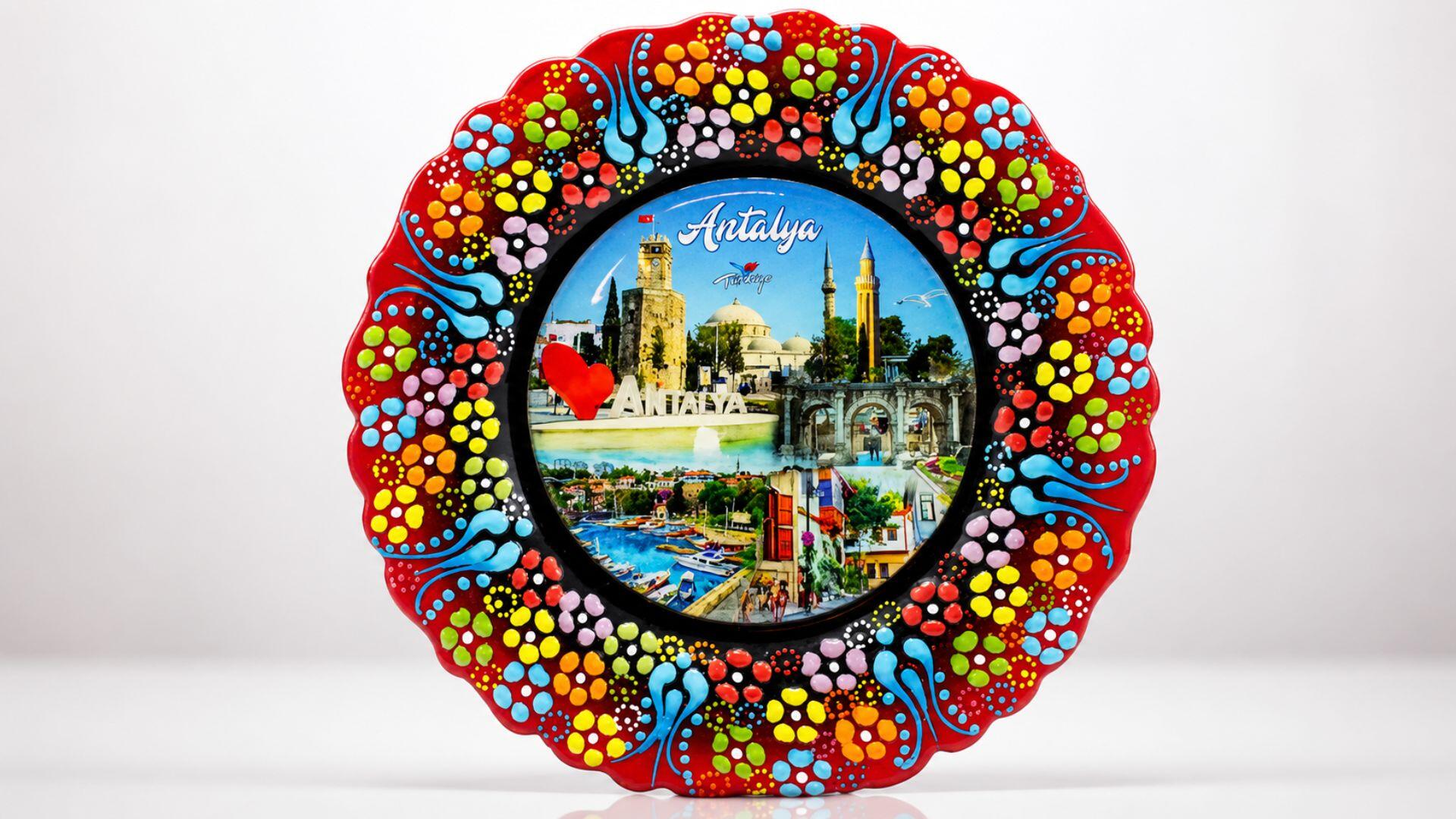
Turkish Tile Wall Plate Models: Decorative Wall Art with Traditional Motifs
Dekoratif çini duvar tabaklarını keşfedin. Geleneksel desenler renkli motifler ve zarif tasarımlarla ev dekorasyonunuza kültür katın.
